Co-occurring disorders happen when a person struggles with both a mental health condition and a substance use disorder at the same time. This combination is more common than most people realize, and it requires a specific type of treatment to address both issues together.
Many people cycle through treatment without seeing lasting results because only one condition gets treated. Understanding what co-occurring disorders are and how to treat them properly can change that outcome entirely.
Key Takeaways
- Co-occurring disorders, also called dual diagnosis, involve both a mental health disorder and a substance use disorder occurring simultaneously.
- According to SAMHSA, approximately 21.5 million adults in the U.S. have co-occurring disorders, yet fewer than 8% receive treatment for both conditions.
- Common pairings include depression with alcohol use, anxiety with benzodiazepine dependence, and PTSD with opioid addiction.
- Integrated treatment, which addresses mental health and addiction together, produces significantly better outcomes than treating each condition separately.
- Early identification of co-occurring symptoms is critical to finding the right level of care.
What Are Co-Occurring Disorders?
Co-occurring disorders, also known as dual diagnosis, refer to the presence of a mental health condition alongside a substance use disorder. One condition often fuels the other, creating a cycle that is difficult to break without professional support.
For example, someone with untreated anxiety may turn to alcohol to manage their symptoms. Over time, alcohol dependence develops and makes the anxiety significantly worse. Neither problem improves without addressing both at the same time.
Most Common Mental Health and Substance Use Pairings
Certain mental health disorders appear alongside substance use disorders more frequently than others. Recognizing these patterns helps clinicians identify dual diagnosis earlier and design more effective care plans.
- Depression and alcohol use disorder
- PTSD and opioid or stimulant misuse
- Bipolar disorder and cocaine or alcohol dependence
- Anxiety disorders and benzodiazepine or cannabis misuse
- Schizophrenia and tobacco or cannabis use disorder
Signs You May Be Struggling with Co-Occurring Disorders
Identifying co-occurring disorders can be difficult because the symptoms of mental illness and addiction often overlap or mask each other. Many people are unaware that what they are experiencing has a clinical name or a clear treatment path.
Some signs to watch for include persistent mood swings that do not improve after stopping substance use, using drugs or alcohol to manage emotional pain, and a history of mental health symptoms before substance use began.
Why Co-Occurring Disorders Often Go Undiagnosed
Many clinicians historically treated addiction and mental health as separate problems handled by separate systems. This divided approach left a significant gap in care for people who needed both treated at once.
Substance use can also mimic or suppress mental health symptoms, making it harder for providers to get an accurate picture during initial assessments. A thorough evaluation after a period of sobriety often reveals the full scope of what someone is dealing with.
How Co-Occurring Disorders Are Treated
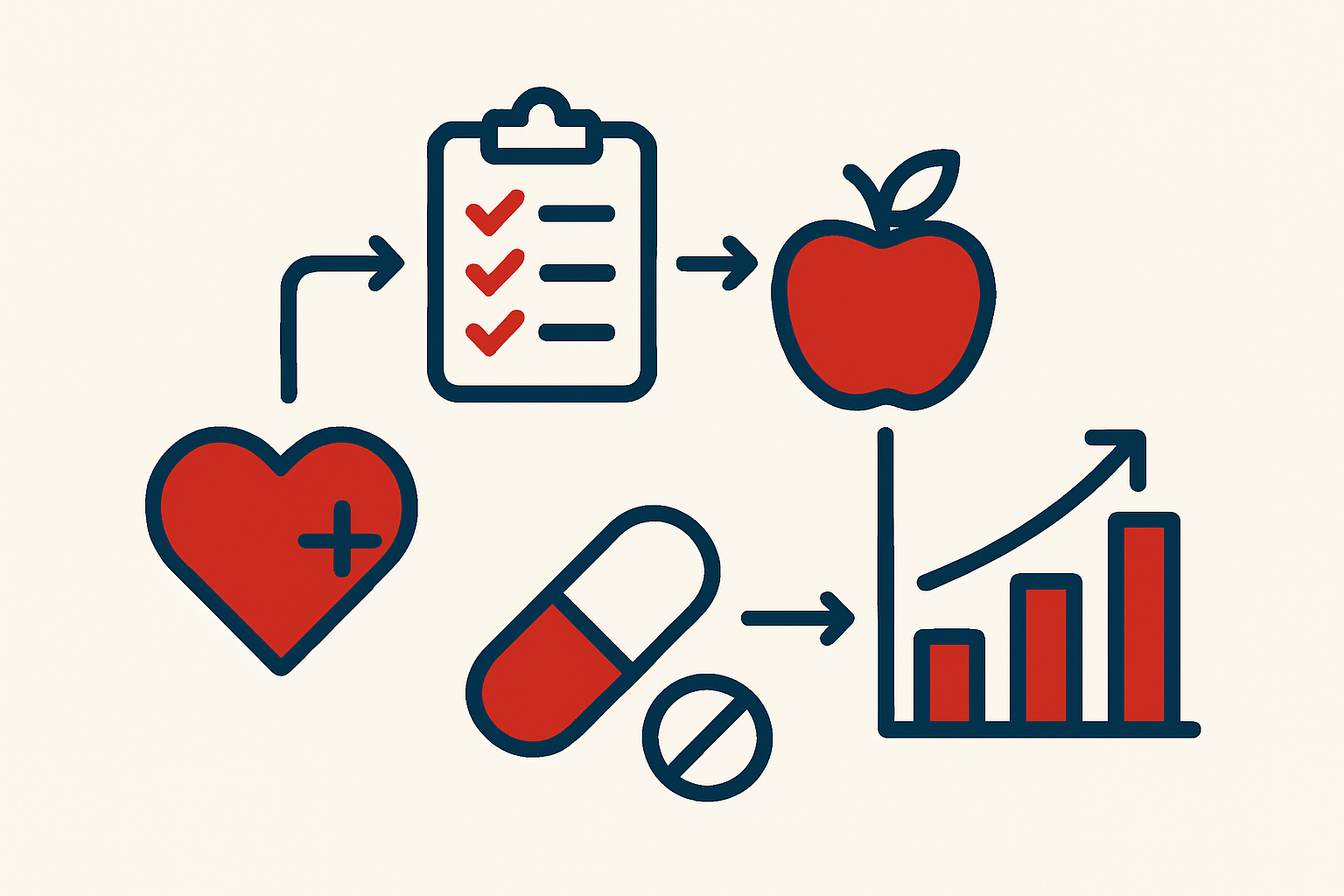
The most effective approach is integrated dual diagnosis treatment, where one clinical team addresses both the mental health condition and the substance use disorder at the same time. This model is widely supported by research and produces better long-term results.
Treatment typically includes a combination of medication management, individual therapy, group counseling, and peer support. The specific plan depends on which disorders are present, their severity, and the individual's history with treatment.
Types of Therapy Used in Dual Diagnosis Treatment
Several evidence-based therapies are used in co-occurring disorder treatment, each targeting different aspects of recovery. Most programs combine more than one approach for better results.
- Cognitive Behavioral Therapy (CBT): Helps identify and change thought patterns that drive both mental health symptoms and substance use.
- Dialectical Behavior Therapy (DBT): Builds emotional regulation and distress tolerance skills, especially helpful for borderline personality disorder and trauma.
- EMDR: Used primarily for trauma and PTSD, which commonly co-occur with addiction.
- Motivational Interviewing: Strengthens a person's internal motivation to engage with treatment and make lasting changes.
Medication in Dual Diagnosis Care
Medication can play an important role in stabilizing mental health symptoms during recovery. Antidepressants, mood stabilizers, and non-addictive anti-anxiety medications are commonly prescribed alongside addiction treatment.
For opioid use disorder, medications like buprenorphine or methadone may be used as part of medication-assisted treatment. Addressing both medication needs simultaneously leads to more stable outcomes and lower relapse rates.
Finding the Right Level of Care
Not everyone with co-occurring disorders needs inpatient treatment, but severity matters when choosing a program. Some people do well with intensive outpatient programs, while others require residential care with round-the-clock clinical support.
When evaluating treatment options, confirm that the facility is equipped to treat both mental health and substance use disorders. Ask directly whether they offer integrated care or whether mental health and addiction services are handled separately.
Recovery Is Possible with the Right Support
People with co-occurring disorders can and do achieve lasting recovery. It often requires more time, more comprehensive care, and stronger support systems than addiction alone, but the path forward is real.
Building a recovery plan that includes therapy, peer support, medication if needed, and community connection gives people the best chance of maintaining long-term sobriety while managing their mental health effectively.
Frequently Asked Questions
Can co-occurring disorders be cured?
Most co-occurring disorders are managed rather than cured, but long-term remission is achievable. With the right treatment and ongoing support, many people live full, stable lives. Consistent therapy, medication management where appropriate, and strong peer support all contribute to sustained recovery and reduced symptom severity over time.
Which comes first, the mental health disorder or the addiction?
Either can come first, and the answer varies by person. Some people develop a substance use disorder that triggers mental health symptoms. Others use substances to self-medicate an already existing condition. In many cases, both conditions develop together through overlapping risk factors including genetics, trauma, and environment.
How do I know if a treatment program is qualified to treat dual diagnosis?
Look for programs that employ licensed mental health clinicians alongside addiction specialists. Ask whether mental health treatment is integrated into the daily program or offered separately. Accreditation from organizations like CARF or The Joint Commission is also a good indicator of quality dual diagnosis care.
Is relapse more common with co-occurring disorders?
Relapse rates can be higher when co-occurring disorders go untreated or are only partially addressed. However, people who receive integrated dual diagnosis treatment show significantly lower relapse rates than those who only receive addiction treatment. Managing mental health symptoms is a key factor in maintaining sobriety.
Bottom Line
Co-occurring disorders require integrated treatment that addresses both mental health and substance use at the same time, and recovery is fully achievable with the right support in place.
If you or someone you care about is navigating a dual diagnosis, addictedtodrugs.org offers clear, practical guidance on understanding treatment options and taking the next step toward recovery.
References
- Substance Abuse and Mental Health Services Administration. (2023). Key substance use and mental health indicators in the United States: Results from the 2022 National Survey on Drug Use and Health. https://www.samhsa.gov/data/report/2022-nsduh-annual-national-report
- National Institute on Drug Abuse. (2021). Common comorbidities with substance use disorders research report. https://nida.nih.gov/publications/research-reports/common-comorbidities-substance-use-disorders
- Drake, R. E., and Wallach, M. A. (2000). Dual diagnosis: 15 years of progress. Psychiatric Services, 51(9), 1126-1129.
- Kelly, T. M., and Daley, D. C. (2013). Integrated treatment of substance use and psychiatric disorders. Social Work in Public Health, 28(3-4), 388-406.