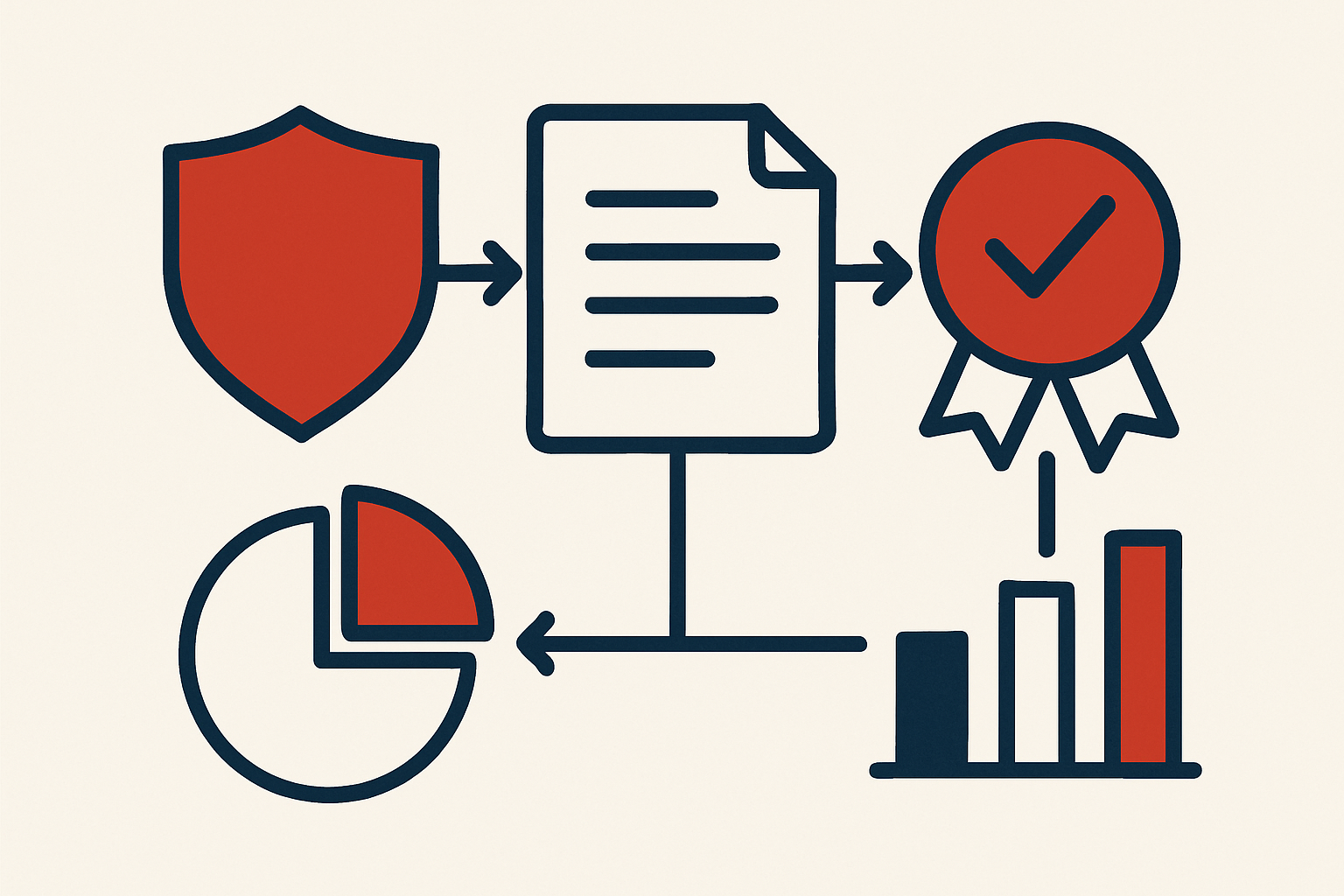
Abuse prevention involves recognizing warning signs, implementing protective strategies, and building strong support networks to stop harmful behaviors before they escalate. Effective prevention requires understanding risk factors, creating safety plans, and accessing appropriate resources for intervention and recovery.
Prevention efforts focus on education, early intervention, and community support systems. Research shows that proactive approaches significantly reduce the likelihood of abuse occurring and help create safer environments for vulnerable individuals.
Understanding the foundations of prevention helps families, communities, and organizations develop comprehensive strategies. These approaches address both immediate safety concerns and long-term behavioral changes necessary for lasting protection.
Key Takeaways
- Abuse prevention strategies reduce incidents by up to 50% when implemented consistently across communities
- Early intervention programs show 73% effectiveness in preventing escalation of abusive behaviors
- Strong social support networks decrease abuse risk by 40% according to national prevention studies
- Recognition of warning signs allows for intervention before serious harm occurs
- Comprehensive prevention plans address multiple risk factors simultaneously for maximum effectiveness
Understanding Abuse Prevention Fundamentals
Prevention begins with recognizing that abuse rarely happens suddenly. Most abusive situations develop gradually through patterns of escalating control, manipulation, or substance-related behaviors that compromise judgment and safety.
Risk factors include social isolation, untreated mental health conditions, substance abuse, financial stress, and exposure to violence. Environmental factors like poverty, community violence, and lack of social services also contribute significantly to abuse potential.
Protective factors work to counteract these risks. Strong family relationships, community connections, stable housing, and access to mental health services create barriers against abusive behaviors developing or continuing.
Recognizing Early Warning Signs
Behavioral changes often signal potential abuse situations before they become severe. These include increasing isolation from friends and family, excessive control over others, extreme jealousy, and unpredictable mood swings or anger outbursts.
Substance abuse frequently accompanies or triggers abusive behaviors. Increased drinking, drug use, or prescription medication misuse can escalate conflict and reduce impulse control, creating dangerous situations for family members or partners.
Physical signs may include unexplained injuries, frequent absences from work or social activities, and changes in appearance or personal care. Emotional indicators include anxiety, depression, fearfulness, and reluctance to discuss home situations.
Building Effective Support Networks
Strong support systems form the foundation of successful abuse prevention. These networks include family members, friends, healthcare providers, counselors, and community organizations working together to identify risks and provide intervention.
Professional support services offer specialized knowledge and resources. Social workers, therapists, medical professionals, and legal advocates provide expert guidance for both prevention planning and crisis intervention when needed.
Community-based programs create broader safety nets. Neighborhood watch groups, faith-based organizations, schools, and local businesses can all play roles in recognizing concerning behaviors and connecting people with appropriate help.
Creating Personal Safety Plans
Safety planning involves identifying specific steps to take when warning signs appear or dangerous situations develop. These plans should include emergency contacts, safe locations, important documents, and financial resources for immediate needs.
Communication strategies help individuals express concerns safely and seek help effectively. This includes knowing how to contact emergency services, trusted friends, and professional support services without alerting potential abusers.
Documentation becomes crucial for both safety and legal protection. Keeping records of incidents, injuries, threats, or concerning behaviors provides important evidence for law enforcement and protective services if intervention becomes necessary.
Substance Abuse and Prevention
Addiction significantly increases abuse risks by impairing judgment, increasing impulsivity, and creating financial and emotional stress. Prevention efforts must address substance use issues as part of comprehensive safety planning.
Treatment for addiction provides essential foundation for abuse prevention. Recovery programs help individuals develop healthy coping skills, rebuild relationships, and address underlying mental health conditions that contribute to harmful behaviors.
Family education about addiction helps loved ones recognize when substance use becomes dangerous and understand how to seek appropriate intervention. This knowledge prevents enabling behaviors while promoting genuine support for recovery.
Frequently Asked Questions
How do I know if someone needs abuse prevention help?
Watch for isolation from friends and family, unexplained injuries, fearfulness, substance abuse escalation, and controlling behaviors. Multiple warning signs together indicate higher risk and need for intervention planning.
What should I do if I suspect abuse is happening?
Document concerns, offer non-judgmental support, provide safety resources, and contact local domestic violence services or law enforcement if immediate danger exists. Avoid confronting suspected abusers directly.
Can addiction treatment prevent abuse from occurring?
Yes, addiction treatment addresses underlying factors that contribute to abusive behaviors. Recovery programs teach healthy coping skills, improve impulse control, and reduce conflict triggers associated with substance use.
How effective are restraining orders for abuse prevention?
Restraining orders provide legal protection and clear boundaries, but effectiveness depends on enforcement and the individual situation. They work best as part of comprehensive safety plans including support services.
What role do communities play in abuse prevention?
Communities create protective environments through awareness programs, support services, and social connections. Strong communities reduce isolation and provide multiple intervention points before abuse escalates.
Bottom Line
Effective abuse prevention combines early recognition of warning signs with strong support networks and comprehensive safety planning. Success requires community involvement, professional resources, and addressing underlying factors like substance abuse that increase risk.
For those struggling with addiction issues that may contribute to abusive situations, addictedtodrugs.org provides practical guidance on recognizing substance use problems and accessing treatment resources that support both recovery and safer relationships.
References
- Centers for Disease Control and Prevention. (2023). Violence Prevention. https://www.cdc.gov/violenceprevention/
- National Institute on Drug Abuse. (2023). Understanding Drug Use and Addiction DrugFacts. https://nida.nih.gov/publications/drugfacts/understanding-drug-use-addiction
- Substance Abuse and Mental Health Services Administration. (2023). National Survey on Drug Use and Health. https://www.samhsa.gov/data/
- National Domestic Violence Hotline. (2023). Statistics on Domestic Violence and Substance Abuse.
- American Psychological Association. (2023). Violence Prevention and Community Safety.